Ceylon Pabasara Holidays Ceylon Pabasara Holidays
History • Ancient Empires

Galle

The best-preserved European sea fortress in South Asia

Galle District, Southern Province, Sri Lanka.
UNESCO World Heritage Site. Built 16th-17th Century AD. Highly accessible comfortably from major hubs like Colombo or Kandy using express trains, long-distance luxury buses or private cars.
Category History
Province Southern
Elevation 0 -6 m
Time Needed 4 Hours
Best Time December- April

Ruled sequentially by the Portuguese, Dutch, and British, leaving a blend of European and South Asian styles.

The Galle Fort in Sri Lanka is a massive 52-hectare site located on a rocky peninsula along the southwestern coast. Originally built in 1588 by the Portuguese and extensively expanded with coral and granite by the Dutch East India Company (VOC) in the 17th century.

Today, it functions as a vibrant, rare "living fort"—a walkable community where 17th-century administrative buildings, churches, and houses coexist with boutique shops, cafes, and a thriving arts scene.
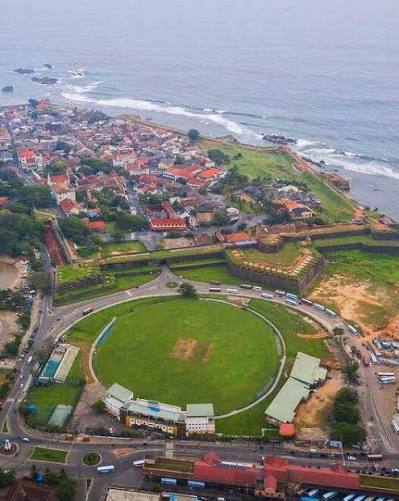
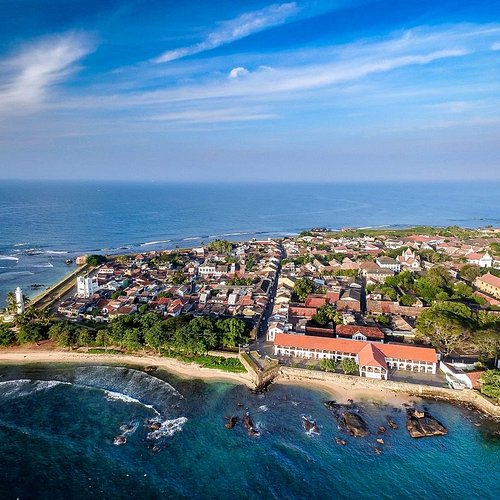
Occupied successively by the Portuguese (1588), Dutch (1640), and British (1796), blending European military design with South Asian traditions. Encircled by thick stone ramparts and 14 strategic bastions that overlook the Indian Ocean. Built on a strict rectangular grid pattern of classic Dutch colonial-style low houses and gabled verandas.

Designated a UNESCO World Heritage Site in 1988, Galle Fort is most often referred to as the "Dutch Fort" or the "Galle Dutch Fort.

Visitor Information

Opening Hours Open24/7 (but museums generally open Tuesday to Sunday from 9:00 AM to 5:00 PM)
Best Time to Visit Early morning and late afternoon
Difficulty Easy
Duration 4 Hours
Location Galle District
Heritage Status UNESCO World Heritage
Plan a Visit Or call us at +94 71 808 8152

Key Attractions

Features that make the Galle Fort as the best-preserved colonial sea fortress in South Asia, representing an unbroken blend of European architectural styles.

Flag Rock Bastion

The southernmost bastion of the fort, once used by the Dutch as a signaling station to warn incoming ships of treacherous rocks. It is the absolute best sunset viewpoint in Galle.

The Old Dutch Hospital

A colonnaded, multi-story colonial building dating back to the late 17th century. Originally built by the Dutch East India Company (VOC) to treat sick soldiers and sailors.

Dutch Reformed Church

A striking, white-washed church built in 1755 at one of the highest points in the fort. It is a masterpiece of Dutch colonial baroque architecture.

The Main Gate and Fort Ramparts

The massive northern entrance to the fort, reinforced with a heavy drawbridge trench system, leading out to kilometers of walkable stone walls.

Pedlar Street & Historical Streetscapes

The main cobblestone artery running through the heart of the grid-patterned fort city. Walking down Pedlar Street feels like stepping back into a medieval European town.

The Colonial Ghosts and Modern Vibes of Galle Fort

Galle Fort is an epic tale of shifting empires, architectural genius, and ultimate transformation. Spanning over four centuries, it is the story of how a small coastal trading post evolved into South Asia's most formidable sea fortress, eventually morphing into the vibrant cultural sanctuary it is today.

For the Portuguese, Galle was a military outpost—a rough-edged garrison holding the line at the edge of the world.The Dutch did not just occupy Galle; they completely reimagined it. Over the next century, they replaced the fragile Portuguese timber and mud structures with the massive, impenetrable walls seen today.The British made minor modifications to the fort. They filled in the outer moat, built the iconic Clock Tower on the Moon Bastion, and added a lighthouse.

Today, it functions as a vibrant, rare "living fort"—a walkable community where 17th-century administrative buildings, churches, and houses coexist with boutique shops, cafes, and a thriving arts scene.
Practical Information

Everything you need to know before visiting Galle Fort.

How to Get There

Galle Fort is approximately 130 km from Colombo (2 hours by car). It can also be reached from Kandy (4.5 hours) Private transfers are recommended for the most comfortable journey.

Best Time to Visit

Morning (7:00 AM – 9:30 AM): Best for cooler weather, quiet photography, and watching the fort wake up.Midday (11:00 AM – 3:00 PM): Very hot and humid with minimal shade on the walls. Use this time to explore indoor museums, cafes, and air-conditioned shops.Late Afternoon (4:00 PM – 6:30 PM): The absolute peak time. The temperature drops, and locals and travelers gather on the ramparts to watch the sunset over the Indian Ocean

What to Bring

Wear comfortable walking shoes with good grip. Bring at least 2 litres of water, sunscreen, a hat, and a fully charged camera. Light, breathable clothing is essential due to the tropical heat and humidity.

Tickets & Entrance

Entry to the fort grounds and ramparts is entirely free, though individual museums charge small entry tickets.

Safety Tips

Watch Your Step, Stay Hydrated, Avoid Midday Sun, Do Not Swim at Flag Rock, Avoid walking slippery Rocks.

Nearby Attractions

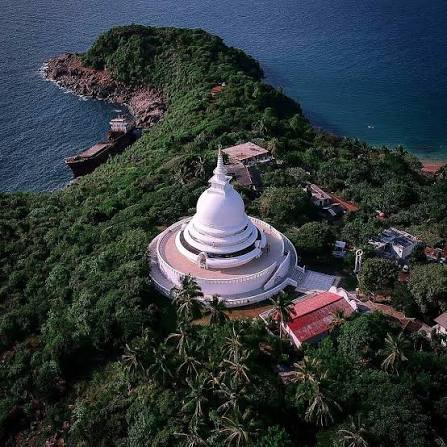
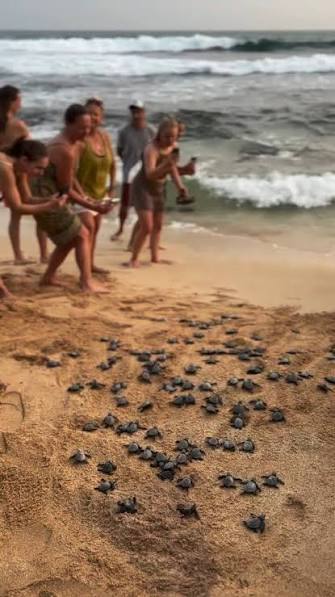
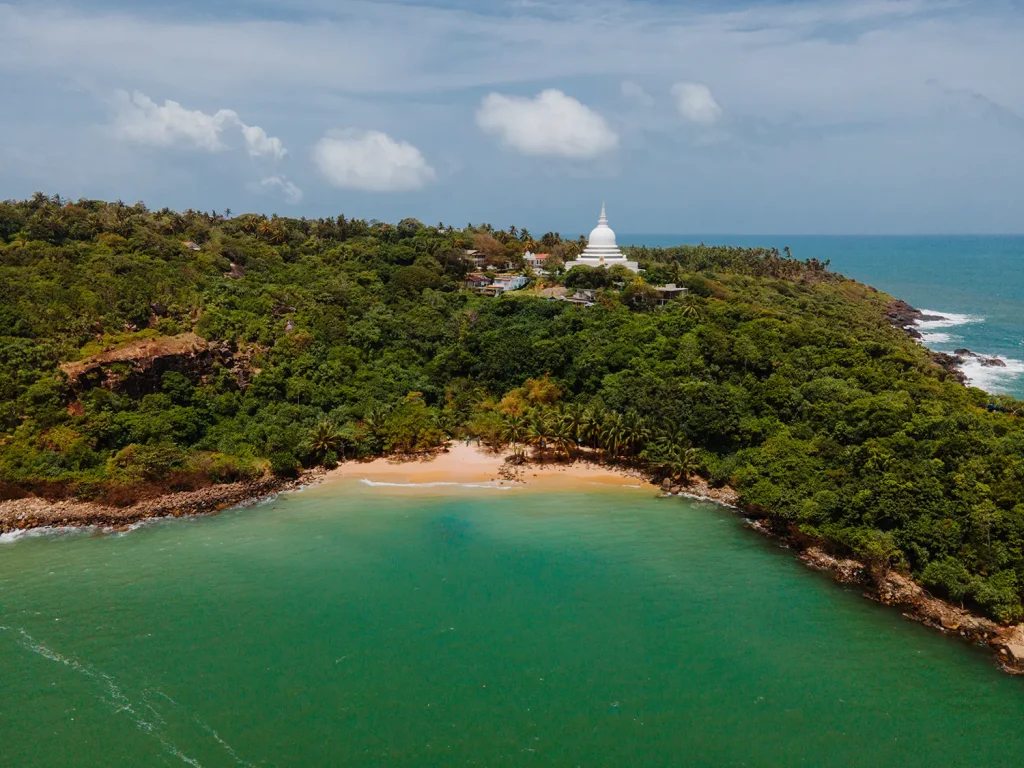
Combine your visit with Unawatuna Beach (20 min), Jungle Beach(15 min) , Japanese Peace Pagoda (15 min), Galle International Cricket Stadium(2 min ), Old Dutch Market (3 min), Handunugoda Tea Estate (45 min), Sea Turtle Hatchery Centre, Mahamodara (5 min), Koggala Lake (45 min).

Tours That Include Galle

Explore our curated tours that feature Galle as a highlight destination.

Ready to Explore
Galle?

Let us plan the perfect visit to the Galle. From private guided travel to historic epicenter of Sri Lankan Tamil culture and Hindu tradition, we'll craft every detail.