Ceylon Pabasara Holidays Ceylon Pabasara Holidays
History • Ancient Empires

Sigiriya

The Lion Rock Fortress — A 5th-Century Kingdom Atop a 200-Metre Granite Monolith

Matale District, Central Province, Sri Lanka
UNESCO World Heritage Site Built 5th Century AD 1,200+ Steps to Summit
Category History
Province Central
Elevation 200 m
Time Needed 3 – 4 Hours
Best Time Year-Round

The Crown Jewel of Sri Lanka's Ancient Heritage

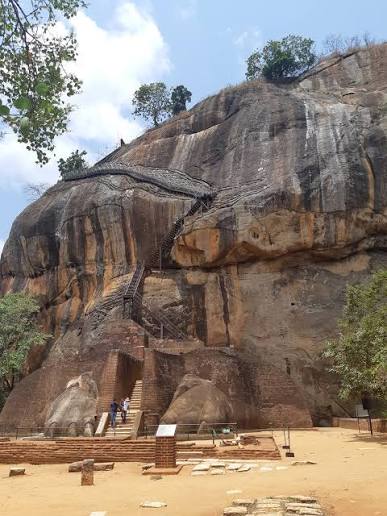
Rising nearly 200 metres above the surrounding plains, Sigiriya — the Lion Rock — is one of the most extraordinary archaeological sites in South Asia. Built in the 5th century AD by King Kashyapa, this massive granite monolith was transformed into an elaborate royal palace-fortress, complete with terraced gardens, mirror-walled corridors, and vibrant frescoes that have survived over 1,500 years.

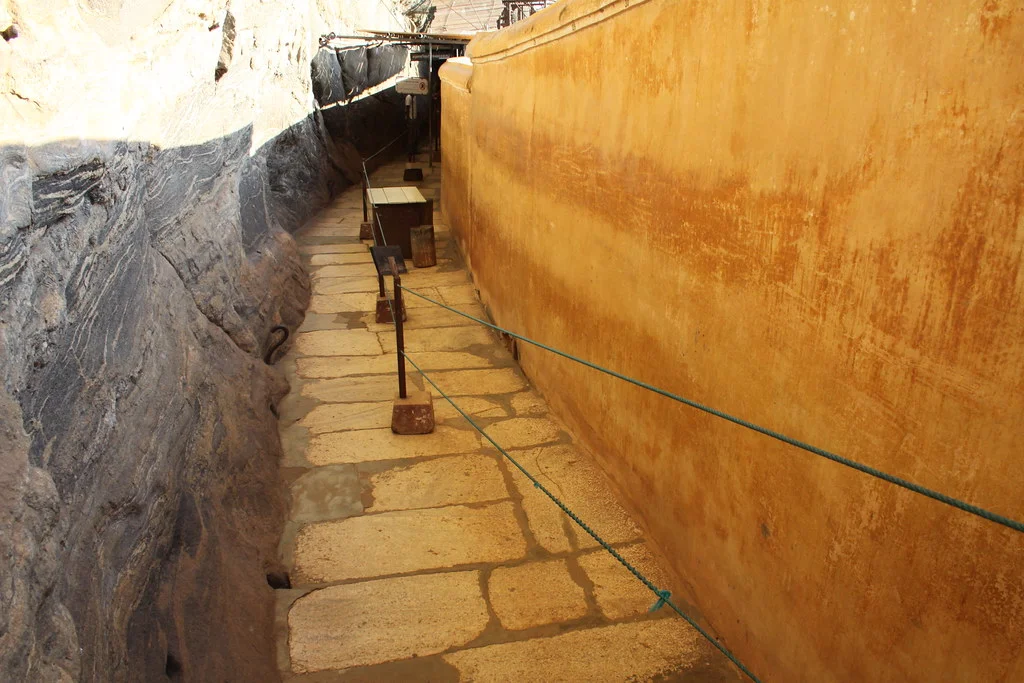
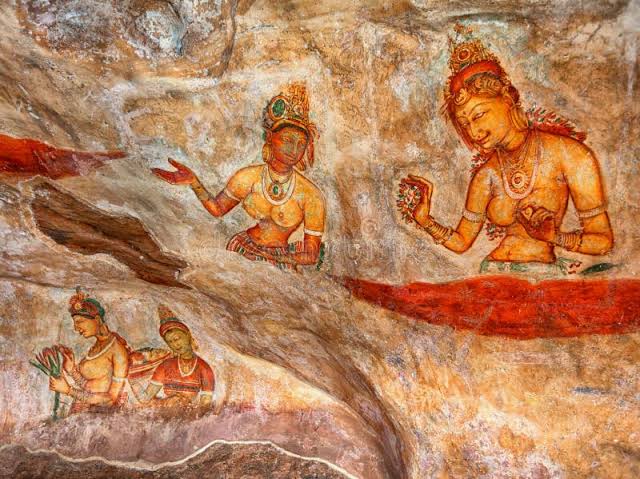
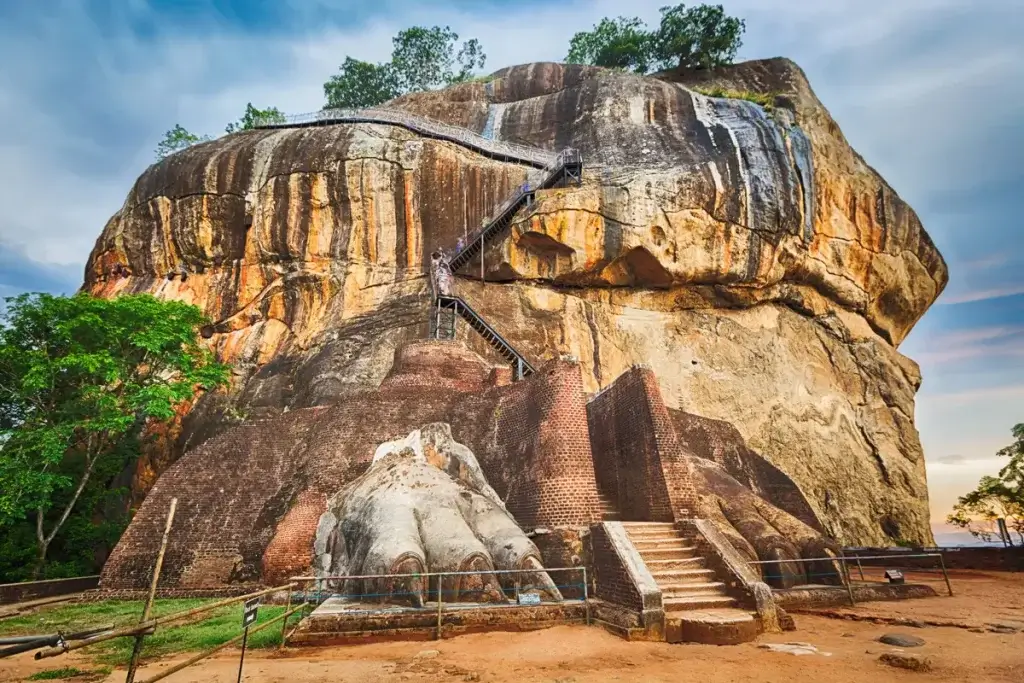
The site is entered through a pair of monumental lion's paws carved into the rock, from which a series of iron staircases lead to the summit. Along the way, you'll encounter the famous Sigiriya frescoes — exquisite paintings of celestial maidens preserved in a sheltered pocket of the rock face — and the Mirror Wall, once polished to such a shine that the king could see his own reflection.

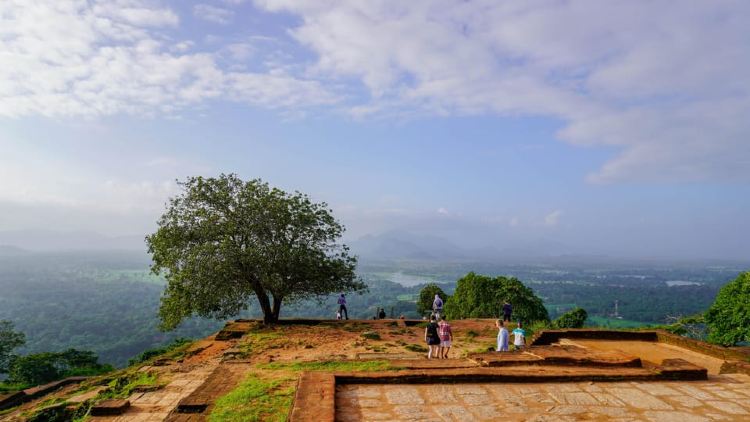
At the summit, the ruins of the royal palace offer breathtaking 360-degree views of the surrounding jungle, reservoirs, and distant mountain ranges. The sophisticated hydraulic system — including fountains that still function during the rainy season — testifies to the extraordinary engineering skill of its builders.

Designated a UNESCO World Heritage Site in 1982, Sigiriya is often referred to as the "Eighth Wonder of the World" and remains Sri Lanka's single most visited historical attraction.

Visitor Information

Opening Hours 5:00 AM – 6:00 PM
Best Time to Visit Early Morning (Sunrise)
Difficulty Moderate
Duration 3 – 4 Hours
Location Matale District
Heritage Status UNESCO World Heritage
Plan a Visit Or call us at +94 71 808 8152

Key Attractions

The extraordinary features that make Sigiriya one of the most remarkable ancient sites on Earth.

Sigiriya Frescoes

Vibrant 1,500-year-old paintings of celestial maidens preserved in a sheltered rock alcove — among the oldest surviving examples of ancient Sri Lankan art.

Mirror Wall

A once highly polished brick wall that reflected the king's image, now inscribed with ancient graffiti dating back over 1,000 years — the oldest surviving prose in Sinhalese.

Royal Water Gardens

Ancient terraced gardens featuring symmetrical pools, fountains, and sophisticated hydraulic engineering — some fountains still activate during the monsoon season.

The Lion's Paws

Massive carved lion's paws flank the final staircase to the summit — the only remains of what was once a complete lion figure through whose mouth visitors entered.

Sigiriya Museum

A modern, well-curated museum at the site entrance displaying artefacts, scale models, and the archaeological history of the rock and its builders.

A King's Dream Carved in Stone

In 477 AD, King Kashyapa — having seized the throne through a coup against his father — moved the capital of the Sinhalese kingdom to this imposing rock. Fearing retaliation from his brother Moggallana, who had fled to India, Kashyapa transformed the 200-metre granite outcrop into an impregnable fortress-palace of extraordinary beauty.

For eleven years, the summit housed elaborate royal chambers, pleasure gardens, and swimming pools, all connected to the ground through a sophisticated system of staircases, waterways, and ramparts. When Moggallana eventually returned with an army, Kashyapa chose to fall on his own sword rather than surrender, and the capital was abandoned, becoming a monastery until the 14th century.

Today, Sigiriya stands as a testament to one man's audacious vision and the extraordinary skill of ancient Sri Lankan engineers, artists, and architects.
Practical Information

Everything you need to know before visiting Sigiriya.

How to Get There

Sigiriya is approximately 170 km from Colombo (4–5 hours by car). It can also be reached from Kandy (3 hours) or Dambulla (30 minutes). Private transfers are recommended for the most comfortable journey.

Best Time to Visit

The site opens at 5:00 AM — arrive early to beat the heat and crowds. Sunrise climbs offer the most magical light and cooler temperatures. Avoid midday (11 AM – 2 PM) when the rock face absorbs intense heat.

What to Bring

Wear comfortable walking shoes with good grip. Bring at least 2 litres of water, sunscreen, a hat, and a fully charged camera. Light, breathable clothing is essential due to the tropical heat and humidity.

Tickets & Entrance

Foreign adult admission is approximately USD 30. Tickets are sold at the site entrance and at the nearby Sigiriya Museum. Audio guides are available for rent at the museum entrance.

Safety Tips

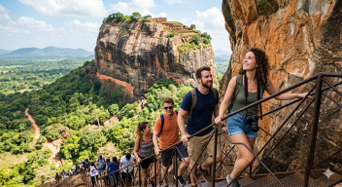
The climb involves steep metal staircases near the summit. Hold on to railings at all times. Beware of wasps nesting near the frescoes — guides carry emergency supplies. Stay hydrated throughout.

Nearby Attractions

Combine your visit with Dambulla Cave Temple (20 min), Minneriya National Park (40 min) for elephant safaris, and the ancient city of Polonnaruwa (1.5 hours) for a complete Cultural Triangle experience.

Tours That Include Sigiriya

Explore our curated tours that feature Sigiriya as a highlight destination.

Ready to Explore
Sigiriya?

Let us plan the perfect visit to the Lion Rock. From private guided climbs to combined Cultural Triangle tours, we'll craft every detail.