Ceylon Pabasara Holidays Ceylon Pabasara Holidays
Kalpitiya •Beach

Kalpitiya Beach

Kalpitiya Beach, Kalpitiya Beach is a raw, wind-swept peninsula, globally celebrated as South Asia’s premier destination for kitesurfing and a major hotspot for spotting massive pods of wild dolphins.

Puttalam District, North Western Province, Sri Lanka.
South Asia’s Premier Kitesurfing Mecca, the World Capital for "Super-Pods" of Dolphins and Gateway to Bar Reef (Sri Lanka’s Largest Coral Reef). Kalpitiya Beach possesses a rich historical legacy, tracking its evolution from an ancient seafaring trading hub and legendary royal landing ground into a heavily fortified prize of European colonial monopolies. The most efficient way to reach Kalpitiya Beach from Colombo or Bandaranaike International Airport is by private taxi/car. By Train & Local Tuk-Tuk and by Public Express Bus also available.
Category Beaches
Province North Western
Elevation 0 - 1 m
Time Needed 3 to 4 days
Best Time May to September and December to March

Kalpitiya Beach—situated at the tip of a remote, 48-kilometer-long peninsula on Sri Lanka's northwest coast.

Unlike the manicured, resort-heavy sand strips of the south coast, Kalpitiya thrives on a rugged, untamed eco-tourism layout that seamlessly blends high-adrenaline water sports with pristine marine conservation.

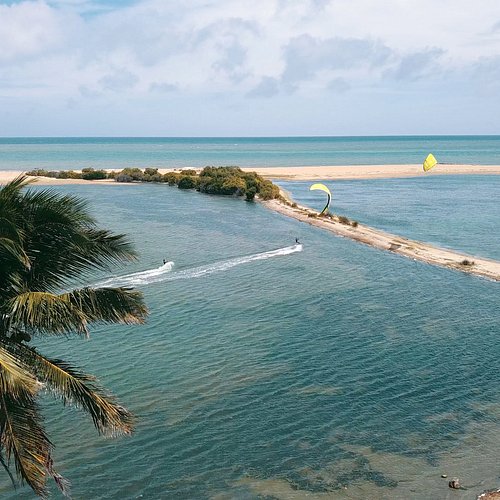
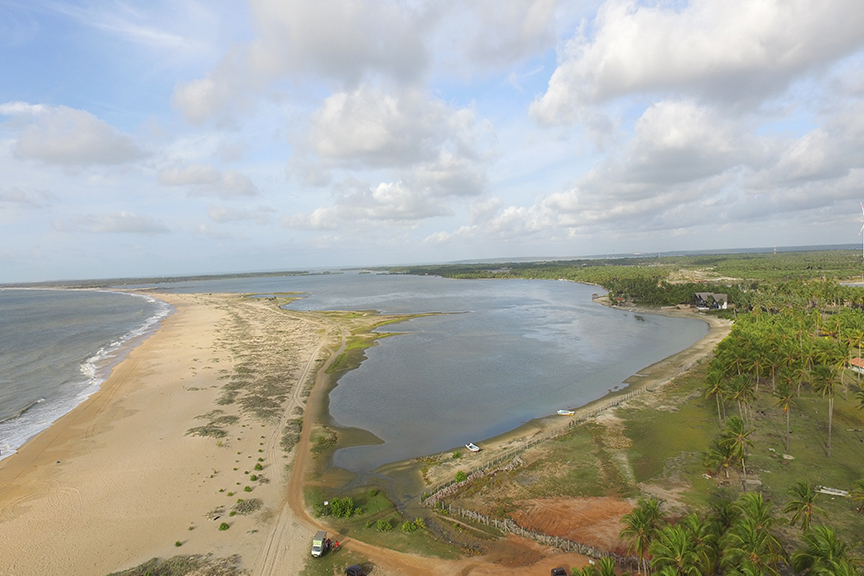
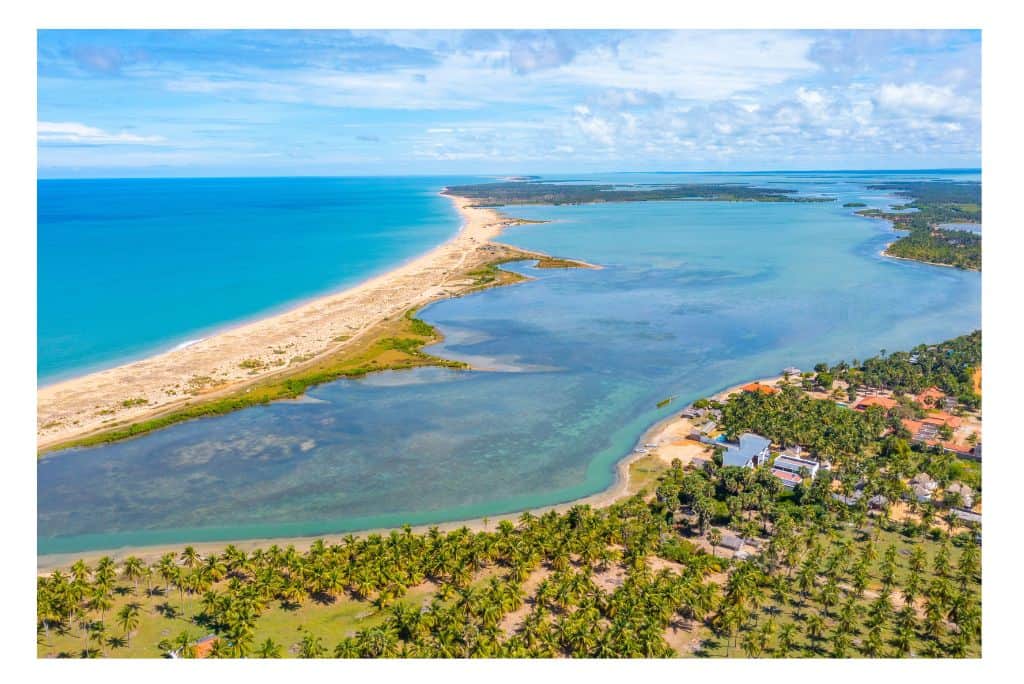
The defining geographical feature of Kalpitiya is a narrow, natural sand spit that creates two completely contrasting water environments side-by-side.

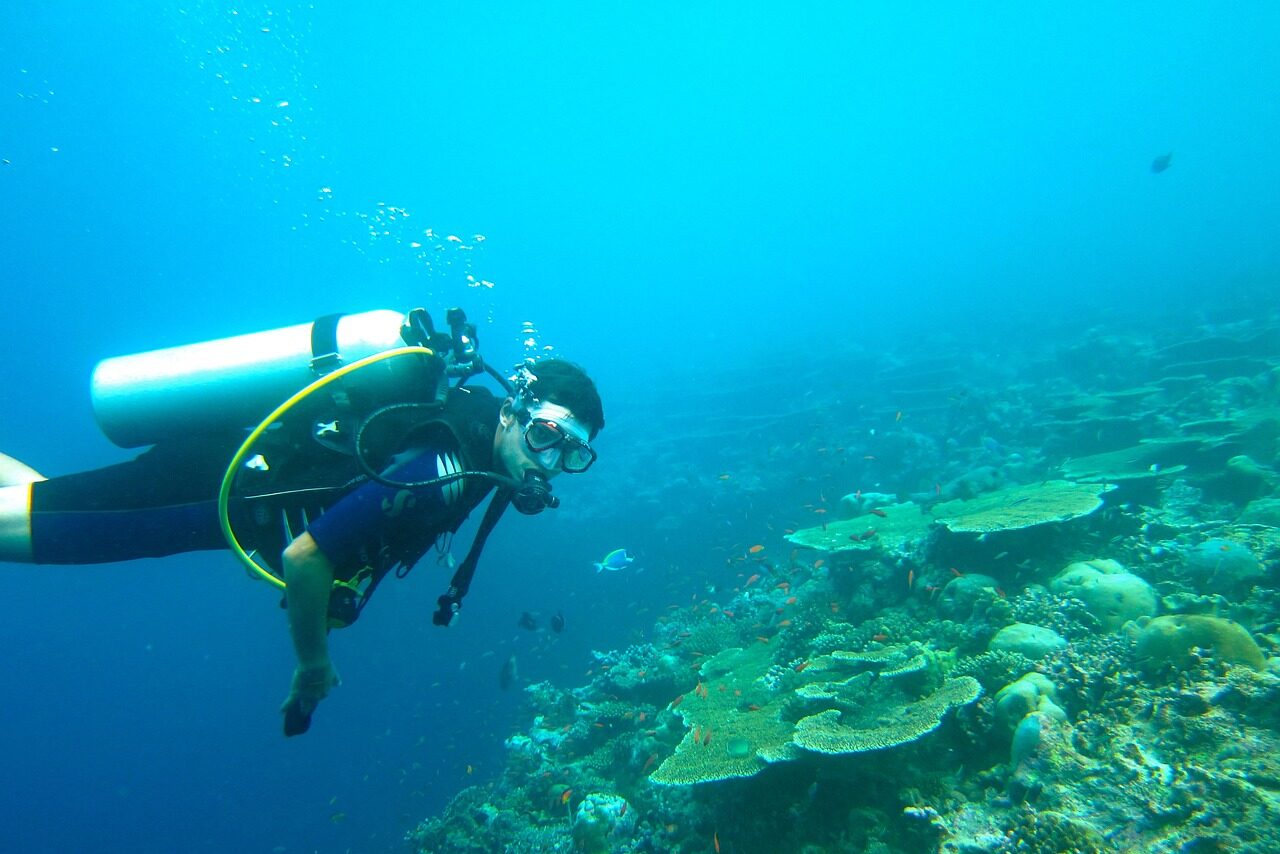
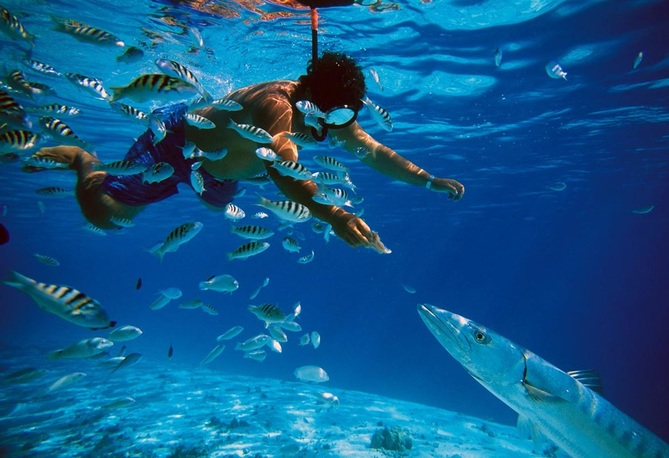
What elevates Kalpitiya beyond a standard wind-sports destination is its position adjacent to a deep underwater oceanic trench, making it an international marine wildlife sanctuary.

Kalpitiya has fiercely and intentionally resisted mass-commercialization and concrete high-rise hotels.

Visitor Information

Opening Hours Open 24/7
Best Time to Visit Early Morning (6:30 AM – 9:00 AM)
Midday to Early Afternoon (11:00 AM – 3:00 PM)
Late Afternoon to Sunset (4:00 PM – 6:30 PM)
Difficulty Easy
Duration 3 to 4 days
Location Puttalam District
Important Status Legally protected as a site of immense colonial, marine, and ancient cultural heritage.
Plan a Visit Or call us at +94 71 808 8152

Key Attractions

Factors that contributed to becoming a premier kitesurfing destination in South Asia, a critically important marine mammal sanctuary and eco-friendly tourism.

Kudawa Beach

Protected geographic contours keep the immediate ocean waters here exceptionally calm and clear. It serves as the primary launching pad for dolphin-watching boats

Deep-Sea Dolphin Safaris

During the calm-sea window, boats venture a few miles out into the open Indian Ocean. Travelers regularly witness spectacular "super-pods" of wild spinner dolphins.

Baththalangunduwa Island

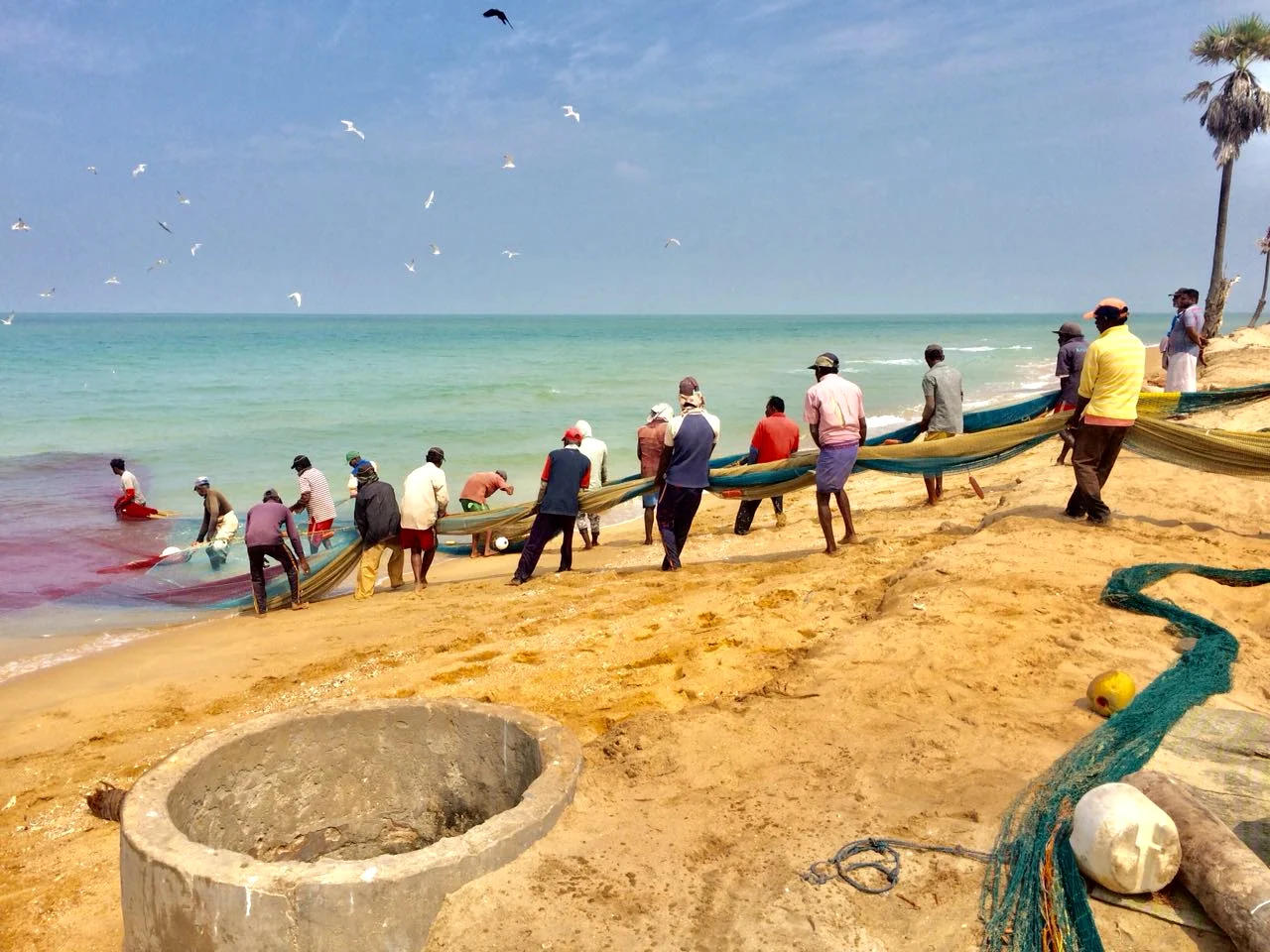
It is an archipelago of 14 small, isolated islands scattered across the mouth of the massive Puttalam Lagoon. It offers a glimpse of authentic, slow-paced local fishing life.

Kalpitiya Dutch Fort & Church

Originally established in the mid-17th century by the VOC (Dutch East India Company), it was built using local coral and limestone to control the regional cinnamon trade.

Kappalady Kite Lagoon

The cleanest beach strip on the peninsula, offering clean wind conditions, popular for flat-water kayaking, stand-up paddleboarding and beginner kite-foiling.

Where Wind-Swept Sand Spits Divide the Wild Ocean From South Asia’s Kitesurfing Mecca.

Kalpitiya’s story begins at the absolute foundation of Sri Lankan history. According to the ancient royal chronicle, the Mahavamsa, it was along this stark, red-earth northwestern coastline that King Vijaya, the legendary founder of the Sinhalese nation, first washed ashore on the island in 543 BCE.

In the mid-16th century, the heavily armed fleets of the Portuguese Empire invaded the peninsula to violently seize control of the lucrative international shipping lanes, driving out the Arab traders and renaming the narrow hook Kardiv Island.

By 1795, the British military seized the coral fort, utilizing it as an active army garrison until abandoning its thick interior walls in the mid-19 th century.When the civil war concluded, global adventure athletes explored the remote tip of the peninsula and discovered a rare geographic miracle.
Practical Information

Everything you need to know before visiting Kalpitiya Beach.

How to Get There

By Private Taxi (Fastest & Most Direct) -From Colombo-3.5 to 4 hours. By Train (The Adventurous Local Route)-From Colombo-3.5 + 1 hours. By Public Express Bus (Best Value for Solo Budget Travelers)-From Colombo-4.5 to 5 hours.

Best Time to Visit

Early Morning (6:30 AM – 9:00 AM): Best for Dolphin Safaris & Glassy Oceans. Midday to Early Afternoon (11:00 AM – 3:00 PM): Best for Peak Kitesurfing Wind. Late Afternoon to Sunset (4:00 PM – 6:30 PM): Best for Beginner Lessons & Photography.

What to Bring

Long-Sleeve Rash Guard (UV 50+) or Wetsuit Top, Waterproof Mineral Sunscreen & Facial Zinc, Surf Sunglasses with a Secure Head Strap, Water Shoes / Booties, Waterproof Dry Bag, Polarized Sunglasses, Motion Sickness Medication, Lightweight, Loose Cotton or Linen Clothes, Insect Repellent , Action Camera, Mosquito Repellent and Ample Bottled Water.

Tickets & Entrance

Entirely free and does not require an entrance ticket.

Safety Tips

Never Ride Alone on the Sand Spit, Wear Water Shoes in the Shallows, Look Out for Fishing Nets, Check Your Quick-Release Systems, Insist on Life Jackets, Take Motion Sickness Medication, Prevent Severe Harness Rash, Apply Thick Facial Zinc and Hydrate Constantly.

Nearby Attractions

Combine your visit with Coconut Tree Hill (Mirissa) (10 min), Historic Galle Fort (35 min), Polhena Beach (Matara) (25 min) Ahangama & Midigama Beach (10 min) and Handunugoda Tea Estate (The White Tea Factory) (30 min) for a complete experience.

Tours That Include Kalpitiya Beach

Explore our curated tours that feature Kalpitiya Beach as a highlight destination.

Ready to Explore
Kalpitiya Beach?

Let us plan the perfect visit to the Kalpitiya Beach. From private guided climbs to combined Cultural Triangle tours, we'll craft every detail.