Ceylon Pabasara Holidays Ceylon Pabasara Holidays
History • Ancient Empires

Yala

Yala, Sri Lanka’s premier wildlife reserve, celebrated worldwide for having one of the highest densities of leopards on Earth.

Hambantota & Monaragala Districts, Southern & Uva Provinces, Sri Lanka
Functioning as a cornerstone for both Sri Lankan biodiversity and the national tourism economy Unique transformation from a thriving ancient agricultural civilization to a colonial hunting reserve, and finally into an international beacon for wildlife conservation Reaching involves traveling to the gateway town of Tissamaharama along the southern coast or Kataragama along the eastern edge
Category Wildlife
Province Southern & Uva Provinces
Elevation 0 - 30 m
Time Needed From a single half-day game drive to a full day experience
Best Time During the dry season from February to June

World-renowned for having one of the highest densities of leopards on Earth.

This massive 979 sq. km reserve combines semi-arid scrub, dry monsoon forests, brackish lagoons, and dramatic coastal sand dunes into a spectacular tropical wilderness.

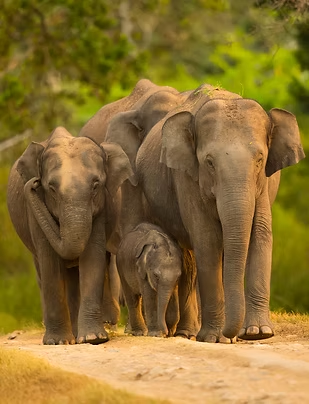
Key characteristics & attractions include , the global leopard stronghold, the big three (leopards, elephants and sloth bears), ancient engineering & spiritual heritage (Sithulpawwa rock temple) and cinematic landscape.

Strict National Reserve & Sanctuary: Originally gazetted as a game sanctuary in 1900 and upgraded to a national park on March 1, 1938, it is legally protected under the Fauna and Flora Protection Ordinance of Sri Lanka.

Protected Archaeological Reserve: Enclosed within its borders are gazetted historic sites—most notably the Sithulpawwa Rock Temple complex.

Visitor Information

Opening Hours 6:00 AM - 6:00 PM
Best Time to Visit 6:00 AM - 10:00 AM. and 2:00 PM – 6:00 PM
Difficulty Easy
Duration Half day - full day
Location Hambantota & Monaragala Districts
Heritage Status National Wildlife Sanctuary and Archaeological Heritage status
Plan a Visit Or call us at +94 71 808 8152

Key Attractions

The unique characteristics that make Yala National Park a premier global hub for eco-tourism, a vital sanctuary for endangered megafauna.

Sithulpahuwa Rock Temple

A dramatic 2,200-year-old Buddhist monastery complex hidden deep within the park's interior wilderness.

Patanangala Beach and Rock

A spectacular, rugged stretch of coastline where the wild scrub jungle directly meets the crashing waves of the Indian Ocean.

Magul Maha Viharaya

Located near the southern edges of the park limits, this historic temple ruin carries profound cultural weight.

Butyawa Tank

One of the largest natural marshy reservoirs nestled inside the park's dry-zone forest. During the dry afternoon hours, it acts as a primary magnet for massive herds of elephants.

Elephant Rock

A massive, isolated monolithic boulder that naturally resembles the distinct shape of a crouching elephant, situated in a wide-open plain.

The ancient wilderness remembers the kings, the monks, and the silent step of the leopard.

The monsoon does not linger in Yala; it retreats, leaving behind a land that bakes itself back into iron and bone.

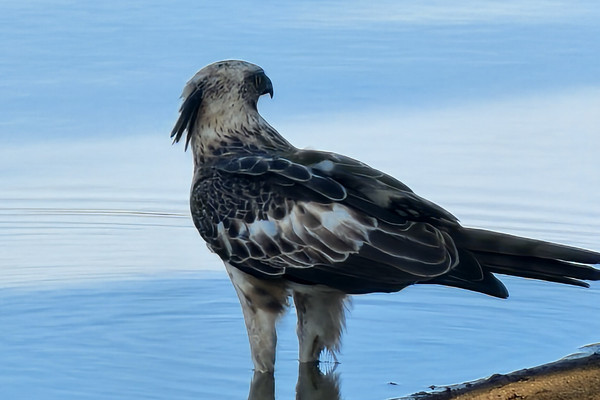
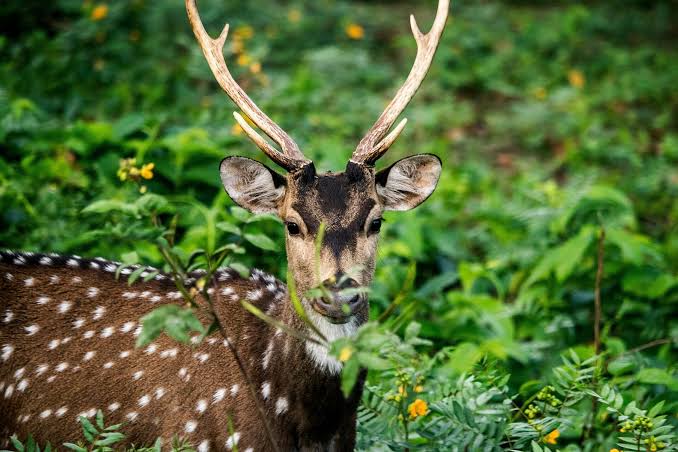
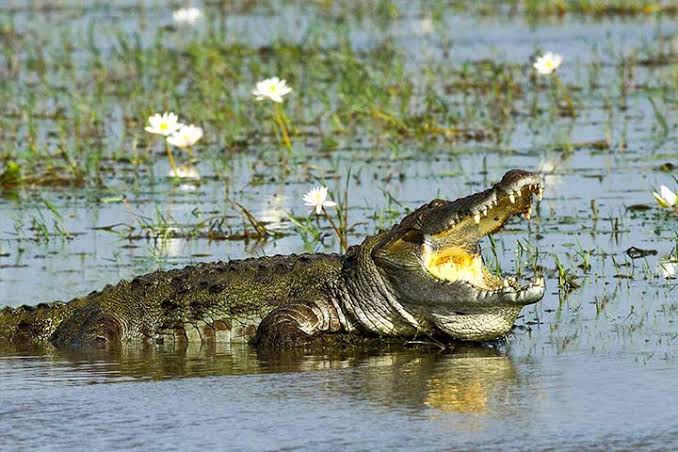
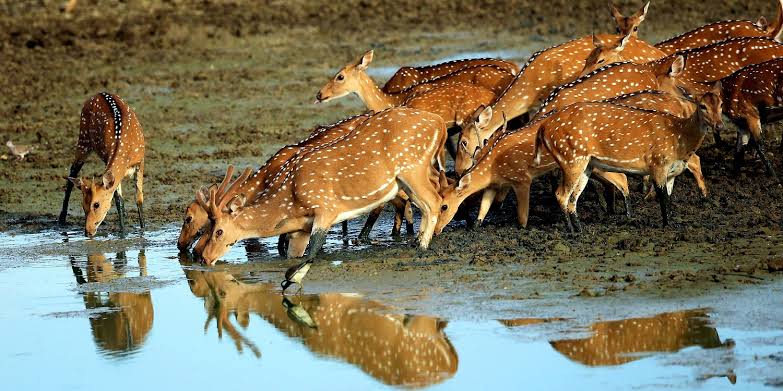
The park’s geography is a striking, cinematic contrast of ecosystems. It transitions rapidly from dry monsoon forests and thorny scrublands to vast open grasslands, brackish coastal lagoons, and towering, wind-swept sand dunes. The wildlife resources here include endemic leopards, Asian elephants, sloth bears, and 44 mammal species (including spotted deer, wild buffalo, jackals, and mugger crocodiles), as well as 215 bird species.

Yala is not merely a primeval wilderness; it is a living historical canvas. Tucked deep within its thorny interior lies the Sithulpawwa Rock Temple, a monumental 2nd-century BC monastic settlement that once housed 12,000 Buddhist monks.
Practical Information

Everything you need to know before visiting Yala National Park

How to Get There

Once at the gateway, you will switch to an open-top 4x4 safari jeep driven by a tracker-guide to access the actual park gates. By Private Vehicle, Taxi, or Tuk-Tuk (Fastest). From Colombo & the Airport (approx. 4 to 4.5 hours), From Ella (approx. 2 hours), From Southern Beaches (Galle, Mirissa, Hiriketiya). By Public Bus (Most Budget-Friendly) and By Train (Scenic Coastal Leg) also available.

Best Time to Visit

Early Morning (6:00 AM – 10:00 AM) — Best for Leopards & Bears, Midday (10:00 AM – 2:00 PM) — Very Low Activity, Late Afternoon (2:00 PM – 6:00 PM) — Best for Elephants & Crocodiles.

What to Bring

Clothing & Personal Wear (Earth-Toned Clothing, A Light Jacket or Scarf, Sunglasses and a Wide-Brimmed Hat, Comfortable Closed-Toe Shoes), Sun & Health Protection (High-SPF Sunscreen, Insect Repellent, Wet Wipes or Face Tissues, Motion Sickness Medication), Gear & Electronics (Camera with a Zoom Lens, Binoculars, Dust Cover or Plastic Bag for Cameras, Fully Charged Power Bank), Food & Hydration (Ample Bottled Water, Snacks or a Packed Breakfast Box).

Tickets & Entrance

Located at Palatupana Gate , Katagamuwa Gate, and Galge Gate.Government Entry Fees Breakdown (All-Inclusive Estimates)-International Adult Tourists $45 USD. Hired Jeep Costs (Paid Separately)- Half-Day $30 USD, Full-Day $60 USD.

Safety Tips

Vehicle & Wildlife Interaction Safety (Stay Inside the Jeep, Maintain a Safe Distance, Keep Noise Levels Down, Turn Off Flash Photography), Health & Environmental Safety (Wear a Seatbelt or Hold On, Protect Against the Sun, Beware of Dehydration and Dust).

Nearby Attractions

Combine your visit with Sithulpawwa Rock Temple (1 hour), Kataragama Temple Complex (1.15 hours ), Tissa Wewa (45 min) and Kirinda Beach & Viharaya (25 min) , for a complete experience.

Tours That Include Yala

Explore our curated tours that feature Yala as a highlight destination.

Ready to Explore
Yala?

Let us plan the perfect visit to the Yala Park. From private guided climbs to combined Cultural Triangle tours, we'll craft every detail.