Ceylon Pabasara Holidays Ceylon Pabasara Holidays
Wasgamuwa • Wild Empires

Wasgamuwa

Formally designated as a national park in 1984 to shelter wildlife displaced by the Mahaweli Development Project.

Matale and Polonnaruwa Districts, Central and North Central Provinces, Sri Lanka.
Provides exceptional ecological, experiential, and historical value, serving as a critical refuge for endangered megafauna. Strategic military positioning during ancient civil wars and its role as a flourishing hub of hydraulic engineering. From Kandy / Peradeniya, From Dambulla / Sigiriya, From Polonnaruwa. By Private Vehicle / Taxi / Public Bus.
Category Wildlife
Province Central and North Central
Elevation Ranging from 76m - 470m
Time Needed A single half-day game drive of 3 to 4 hours to a full 2-day experience
Best Time Dry season from January to May

The country's least commercialized and most peaceful wildlife havens.

Bounded naturally by two of Sri Lanka's major rivers—the Mahaweli Ganga and the Amban Ganga—the park's terrain consists mostly of flat, fertile river basins, marshes, and open grasslands.

Dominating the western horizon is the rugged Sudu Kanda (White Mountain) ridge, which climbs sharply to 470 meters above sea level, providing an isolated sanctuary where predators can den away from human view.

Long before it was a wildlife park, Wasgamuwa was a flourishing hub of ancient kingdoms and hydraulic engineering.

Wasgamuwa is celebrated for its rich biodiversity and its raw, undisturbed safari tracking experience.

Visitor Information

Opening Hours 6:00 AM - 6:00 PM
Best Time to Visit During the late afternoon window from 3:00 PM to 6:00 PM.
Difficulty Easy
Duration 3 - 4 hours to 2-days
Location Matale and Polonnaruwa Districts
Important Status National Wildlife Sanctuary and Protected Archaeological Heritage status.
Plan a Visit Or call us at +94 71 808 8152

Key Attractions

The distinctive features that make Wasgamuwa National Park a pristine wildlife sanctuary, a crucial refuge for displaced wild elephants, a biodiversity hub for rare mammals, and a site with an ancient monastic history.

Mahaweli and Amban Ganga Rivers

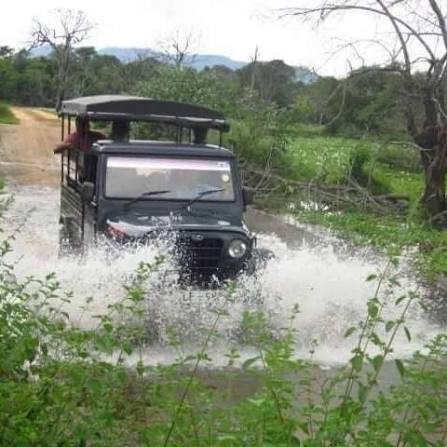
These two massive rivers form the natural eastern and western boundaries of the national park. Safari jeeps stop along the shady riverbanks, to watch elephants.

Medamaduwa Viewpointl

A beautiful, elevated observation point that looks out across the park's central plains. It offers a stunning panoramic view of the vast dry-zone scrub jungles.

Yudanganawa Plain

A vast, open grassland plain that serves as the primary feeding zone for the park's resident elephants. Local legends state this plain was an ancient royal battlefield.

Malagamuwa Tank

An ancient, restored man-made earth reservoir located in the heart of the sanctuary. It is a prime location for birdwatching and tracking Sri Lankan sloth bears and leopards.

The Riverine Forests

Striking belts of tall, dense canopy forests that grow exclusively along the park's active river systems. This unique habitat shelters rare endemic birds.

Echoes of Kings and Giants.

The park is highly famous for its large, stable herds of wild Asian elephants (Elephas maximus). During the dry season, up to 150 to 200 elephants congregate openly along the marshy floodplains to feed and bathe.

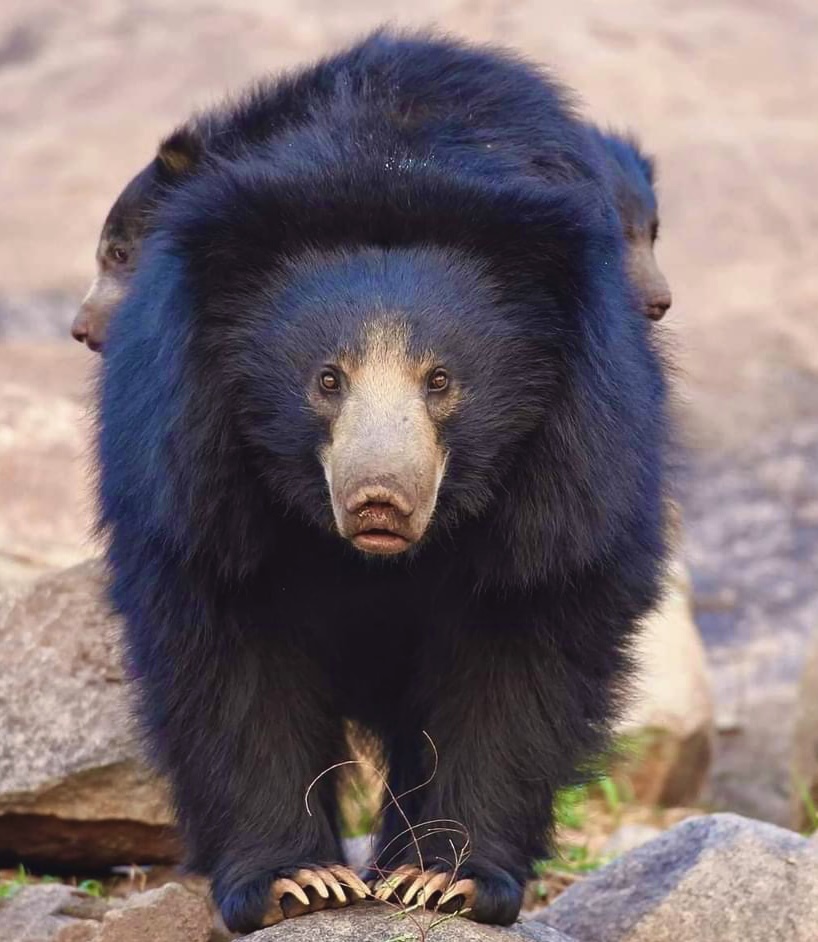
The park’s name originates from the Sinhalese words Walas Gamuwa, which translates directly to "Sloth Bear Wood." Its dense dry mixed evergreen forest canopies provide an ideal, highly protected habitat for the shaggy Sri Lankan sloth bear.

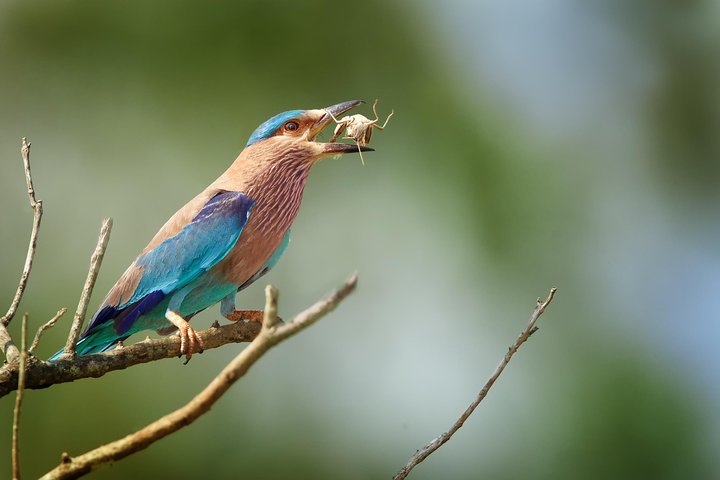
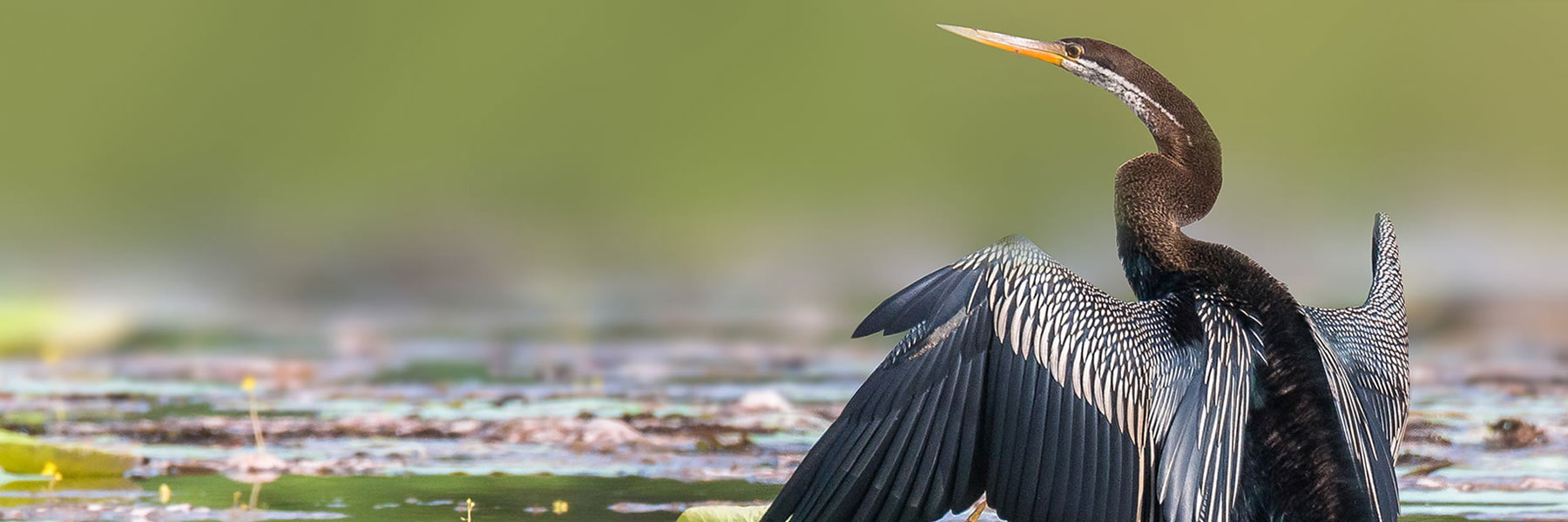
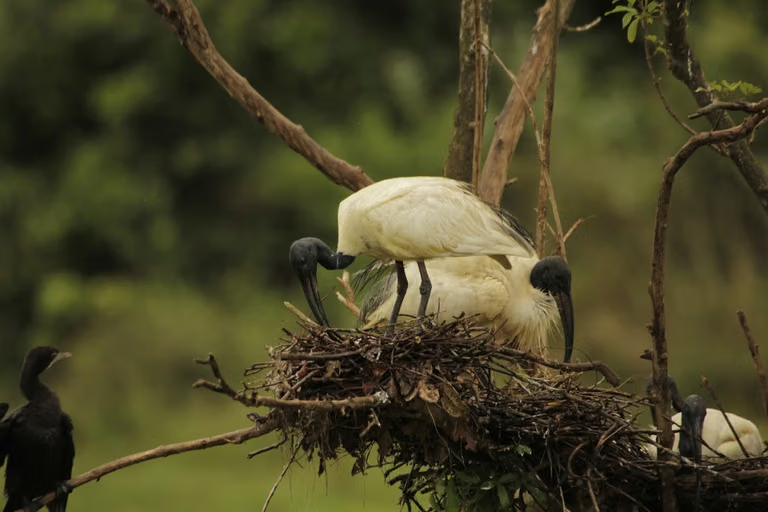
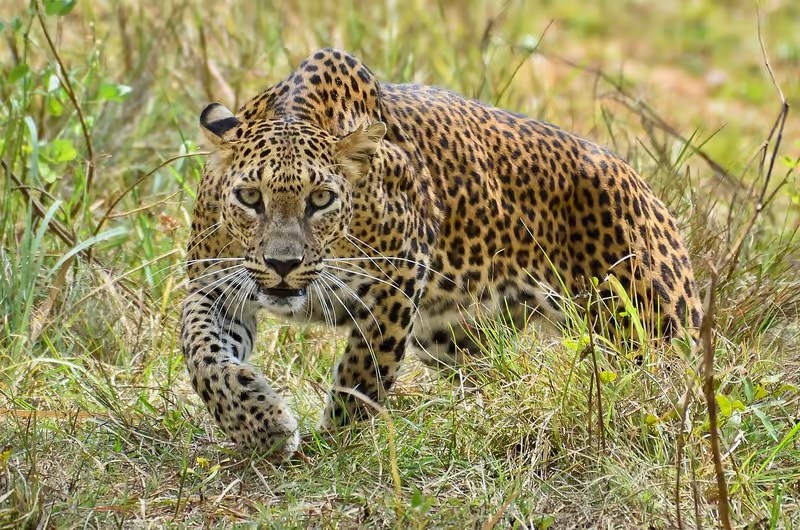
It supports a resident population of the elusive Sri Lankan leopard, water buffaloes, spotted deer, and mugger crocodiles, alongside 143 bird species (including rare endemics like the Sri Lanka junglefowl).
Practical Information

Everything you need to know before visiting Wasgamuwa National Park.

How to Get There

By Private Vehicle, Taxi, or Tuk-Tuk (Most Convenient)- From Dambulla / Sigiriya (approx. 1.5 to 2 hours / 70 km), From Polonnaruwa (approx. 1.5 hours / 55 km), From Kandy / Peradeniya (approx. 3 to 3.5 hours / 118 km), By Public Bus (Most Budget-Friendly) also available.

Best Time to Visit

Late Afternoon (3:00 PM – 6:00 PM) — Best for Large Elephant Herds, Early Morning (6:00 AM – 9:30 AM) — Best for Sloth Bears & Birding, Midday (10:00 AM – 2:00 PM) — Avoid Completely.

What to Bring

Earth-Toned Clothing, A Light Scarf or Sarong, A Light Jacket, Sunglasses and a Secure Hat, Closed-Toe Shoes, High-SPF Sunscreen, Insect Repellent, Wet Wipes or Face Tissues, Motion Sickness Medication (optional), Camera with a Telephoto Lens, Binoculars, Ample Bottled Water and Packed Meals & Snacks.

Tickets & Entrance

Located at the Handungamuwa Entrance Gate. Government Entry Fees Breakdown (All-Inclusive Estimates)-International Adult Tourists $45 USD. Hired Jeep Costs (Paid Separately)- Half-Day $30 USD, Full-Day $60 USD.

Safety Tips

Vehicle & Wildlife Interaction Safety (Stay Inside the Jeep, Maintain a Safe Distance, Keep Noise Levels Down, Turn Off Flash Photography), Health & Environmental Safety (Wear a Seatbelt or Hold On, Protect Against the Sun, Beware of Dehydration and Dust).

Nearby Attractions

Combine your visit with The Knuckles Mountain Range (1.40 hours), Mahaweli River Safaris (5 min), Polonnaruwa Ancient City (1.45 hours) Mahiyangana Raja Maha Viharaya (1 hour) and Dambana Vedda Village (1.15 hours) for a complete experience.

Ready to Explore
Wasgamuwa National Park?

Let us plan the perfect visit to the Wasgamuwa National Park. From private guided climbs to combined Cultural Triangle tours, we'll craft every detail.