Ceylon Pabasara Holidays Ceylon Pabasara Holidays
History • Ancient Empires

Polonnaruwa

Polonnaruwa, the magnificent second royal capital of Sri Lanka, stands proudly as a living museum of medieval grandeur and advanced urban planning.

Polonnaruwa District, North-Central Province , Sri Lanka
UNESCO World Heritage Site Flourished between the 11th and 13th centuries, Highly accessible from all major parts of Sri Lanka via train, bus, or private vehicle
Category History
Province North-Central
Elevation 51 m
Time Needed 4 – 6 Hours
Best Time January, February, and March

Pinnacle of medieval Sri Lankan urban planning, monumental brick architecture, monumental rock sculptures, and pioneering hydraulic engineering.

Initially established as a military outpost by the invading South Indian Chola Empire, it was later captured and expanded into a grand capital by Sinhalese King Vijayabahu I.

Reached its architectural and economic peak under King Parakramabahu I, whose grand vision transformed the kingdom into a thriving metropolis.

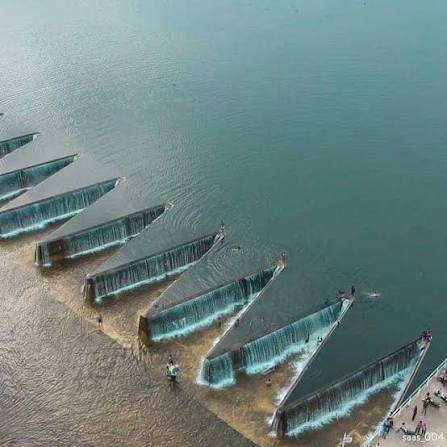
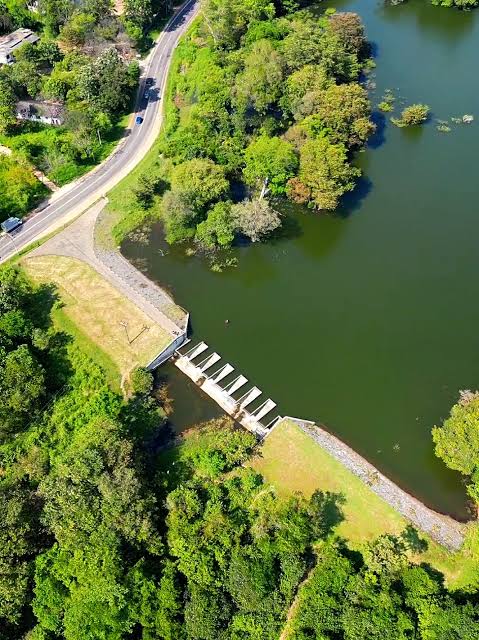
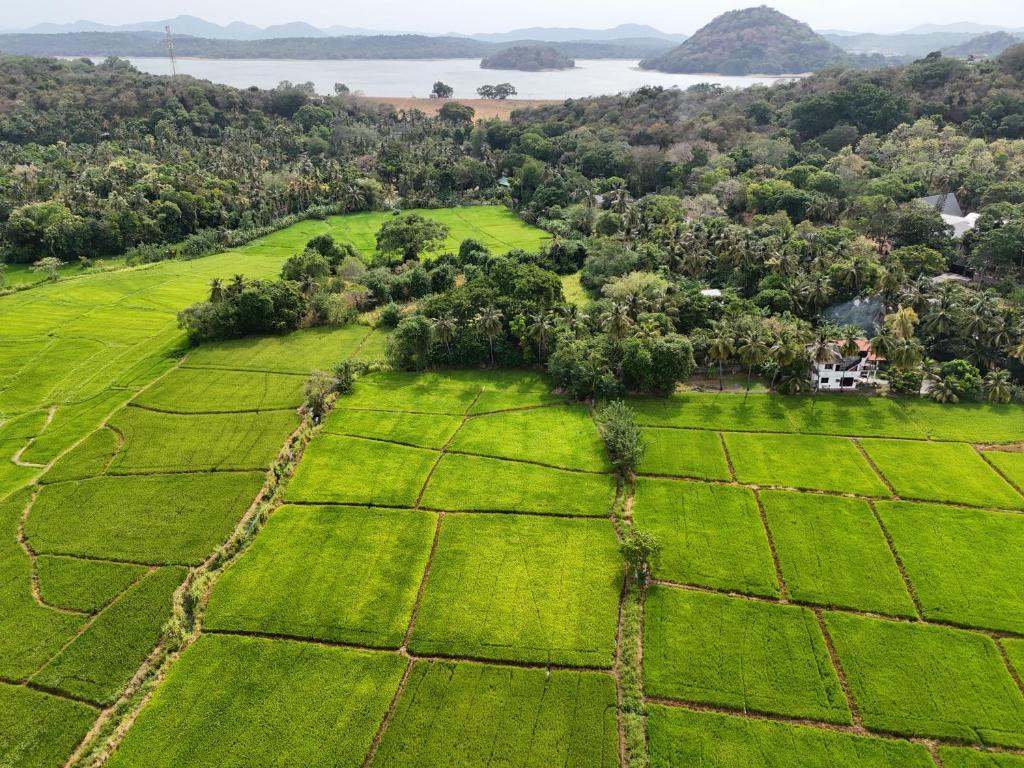
Renowned for the Parakrama Samudra (Sea of Parakrama), a massive ancient man-made reservoir so large it creates its own microclimate and waves.

Designated a UNESCO World Heritage Site in 1982, Polonnaruwa is often referred to as Sri Lanka's second ancient (or royal) capital , succeeding Anuradhapura after the 10th/11th century .

Visitor Information

Opening Hours 7:00 AM – 6:00 PM
Best Time to Visit Early morning and late afternoon
Difficulty Easy
Duration 4 – 6 Hours
Location Polonnaruwa District
Heritage Status UNESCO World Heritage
Plan a Visit Or call us at +94 71 808 8152

Key Attractions

The extraordinary features that make the ancient city of Polonnaruwa as Sri Lanka’s second oldest royal capital and the medieval heart of the island from.

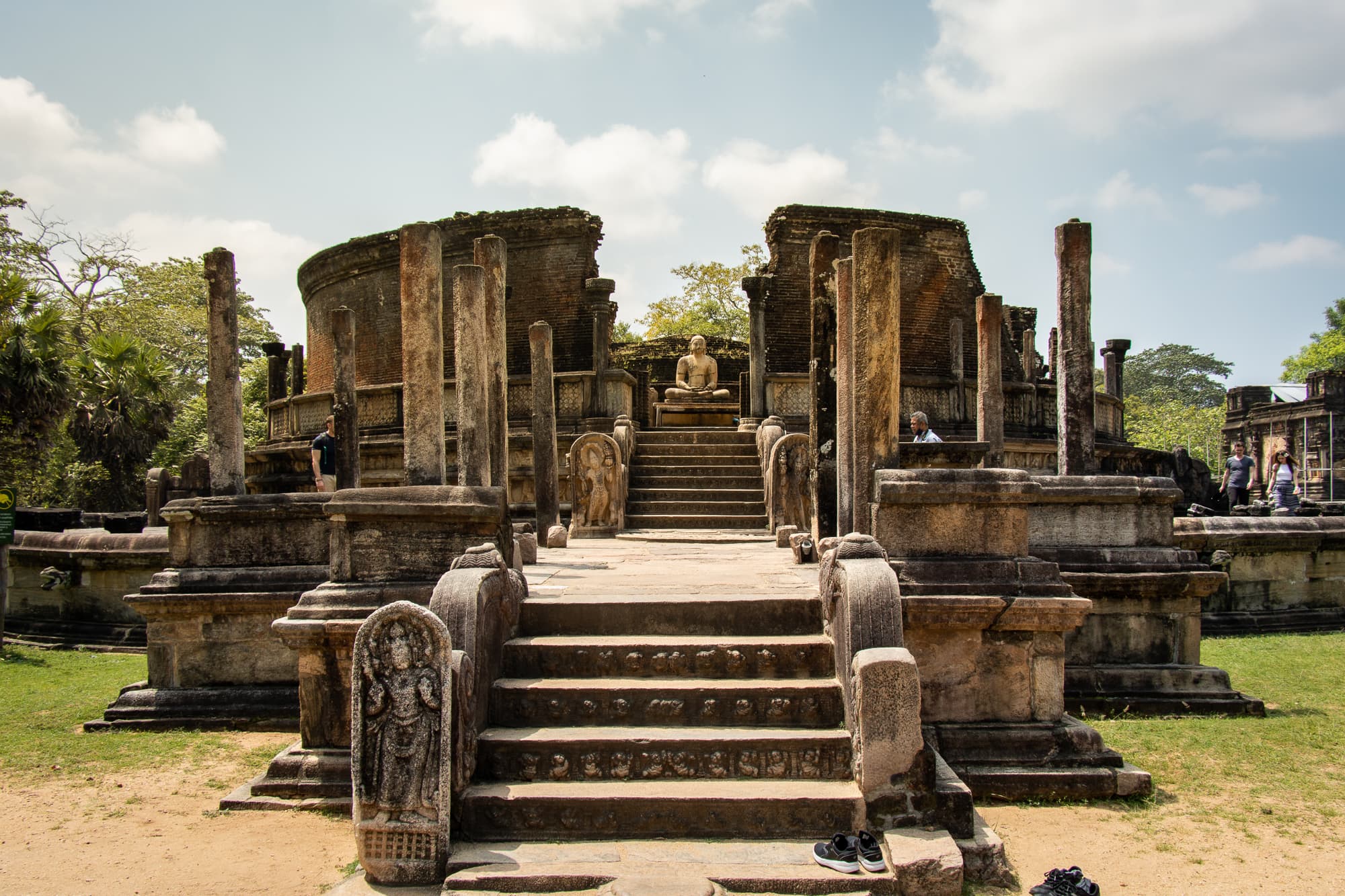
The Polonnaruwa Vatadage

A beautifully preserved, circular architectural structure built to house the sacred Tooth Relic of the Buddha. It is widely celebrated as the most elegant design in Sri Lanka.

Royal Palace of King Parakramabahu I.

The ruins of a massive medieval palace, historically known as Vaijayanta Prasada. Ancient chronicles record it was originally a seven-story building with 1,000 rooms.

Lankatilaka Vihara.

A cathedral-like, monolithic brick image house featuring towering walls. Inside the roofless hall stands a colossal, headless standing Buddha statue made entirely of brick.

Rankot Vihara.

The largest stupa in Polonnaruwa, built by King Nissanka Malla. Standing at roughly 55 meters tall, it is the fourth largest stupa in Sri Lanka.

Parakrama Samudra

A massive, shallow artificial reservoir that borders the western edge of the ancient city. It is the crowning achievement of medieval hydraulic engineering.

The Eternal Faith of the Second Capital

Polonnaruwa stands as the majestic medieval heartbeat of Sri Lanka, echoing with the triumphs and downfalls of a brilliant civilization that flourished between the 11th and 13th centuries CE.

Rising as the island's second royal capital after the fall of Anuradhapura, Polonnaruwa's story is a dramatic saga of foreign invasion, local liberation, and an unprecedented golden age of architecture and hydraulic engineering.

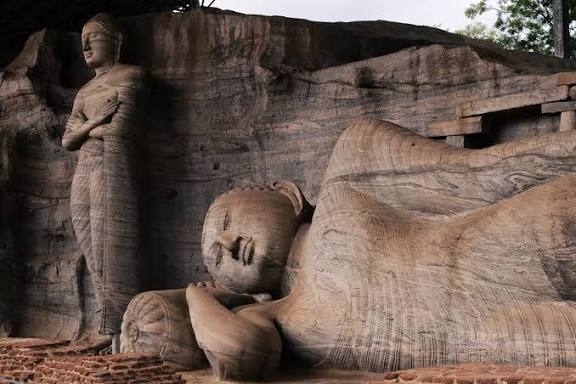
Today, Polonnaruwa remains an open-air museum where weathered brick and serene granite statues silently narrate the peak of medieval Sri Lankan ingenuity .
Practical Information

Everything you need to know before visiting Polonnaruwa.

How to Get There

Polonnaruwa is approximately 225 km from Colombo (4.5 hours by car). It can also be reached from Kandy (3.5 hours) or Dambulla (1 hour & 20 minutes). Private transfers are recommended for the most comfortable journey.

Best Time to Visit

The site opens at 7:00 AM — The best times in the day to visit are early morning (7:00 AM – 10:00 AM) and late afternoon (4:00 PM – 6:30 PM). Visiting during these windows ensures you avoid the blistering midday heat and offers the most comfortable experience for exploring.

What to Bring

Wear comfortable walking shoes with good grip. Bring at least 2 litres of water, sunscreen, a hat, and a fully charged camera. Light, breathable clothing is essential due to the tropical heat and humidity.

Tickets & Entrance

Foreign adult admission is approximately USD 30. Tickets are sold at the Polonnaruwa Archaeological Museum Complex.

Safety Tips

Beware of Scorching Stone Floors. Wear sunscreen and bring an umbrella for personal shade. Stay hydrated throughout.Follow advice regarding wildlife (monkeys, stray dogs, and insects active in the evening).

Nearby Attractions

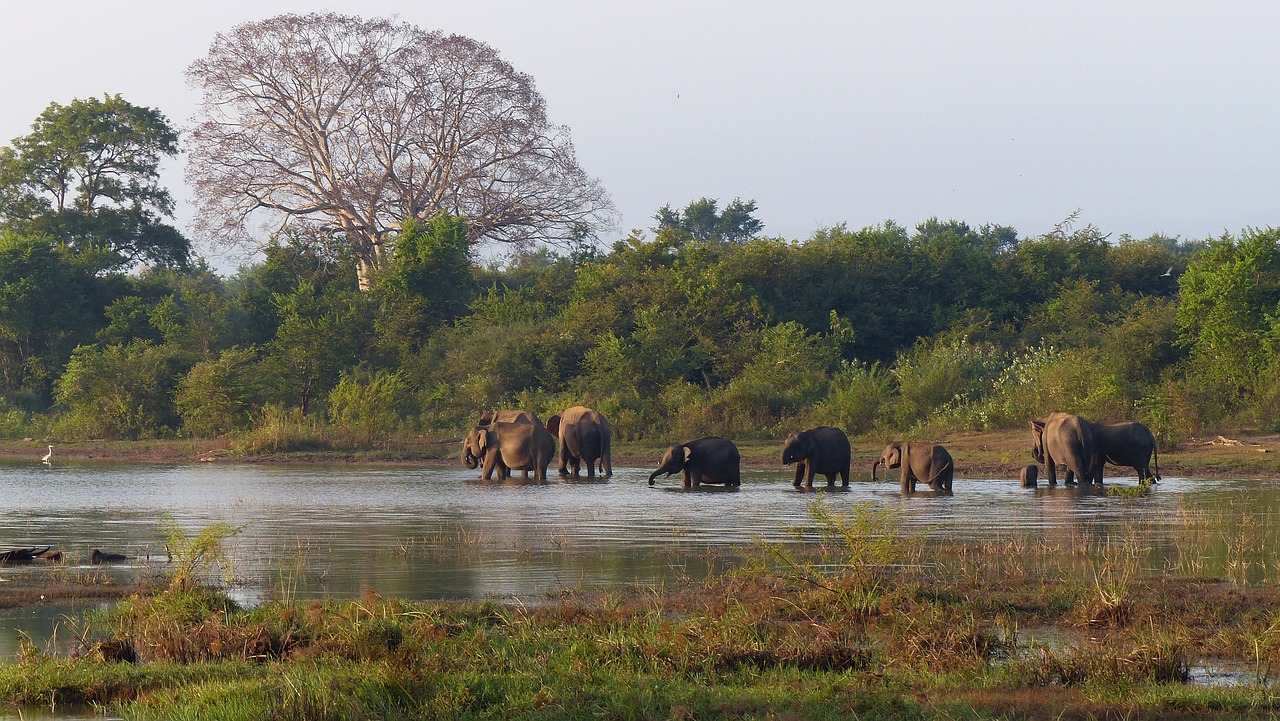
Minneriya National Park-The Elephant Gathering (35 min), Kaudulla National Park & Hurulu Eco Park (1 hour), Sigiriya Lion Rock & Pidurangala Rock (1.15 hours), Giritale Wewa & Angammedilla National Park (30 min)

Tours That Include Polonnaruwa

Explore our curated tours that feature Polonnaruwa as a highlight destination.

Ready to Explore
Polonnaruwa?

Let us plan the perfect visit to the Lion Rock. From private guided climbs to combined Cultural Triangle tours, we'll craft every detail.